
Cyberstalking is using the internet, phones or other technology to repeatedly harass, monitor or threaten someone in a way that makes them afraid or seriously distressed. It is also called online stalking or technology-facilitated stalking. It is a crime.
Safety first. If you are in danger, call 911. If someone might be watching your phone, accounts or location, they may be able to see what you read. If that worries you, read this page on a device the person has never touched, such as a library computer or a friend’s phone. The National Domestic Violence Hotline (1-800-799-7233) can help you plan for your safety.
This guide answers “what is cyberstalking?”, shows the signs and common tactics, explains US law, and lists steps you can take if it is happening to you.
Key facts
- Cyberstalking means repeated unwanted contact, monitoring or threats online that cause fear or serious distress.
- In 2019, about 3.4 million people in the US aged 16 or older (1.3%) were stalked, according to the Bureau of Justice Statistics. Only 29% of victims reported it to police.
- Most victims know the person who stalks them.
- Stalking, including online stalking, is a crime under federal law and in every state.
- If it is happening to you: save proof, block and report, secure your accounts and get support.
Last updated October 26, 2026. This is general information, not legal advice.
What Is Cyberstalking? Definition and Meaning
The US Bureau of Justice Statistics (BJS) defines stalking as repeated unwanted contacts or behaviors that cause fear or serious emotional distress, or that would cause a reasonable person to feel that way. Cyberstalking is stalking that uses technology: texts, calls, email, social media, apps, tracking devices, spyware and more.
One difference from a single nasty message is the pattern. Cyberstalking is repeated, and it makes the person feel watched, unsafe or trapped. It often mixes with in-person stalking. The Stalking Prevention, Awareness, and Resource Center (SPARC) notes that most victims face both online and in-person stalking, and says that technology does not cause stalking: stalkers do.
Cyberstalking Examples and Common Tactics
Cyberstalkers use everyday apps and devices. They don’t have to be good with computers. Common tactics include:
- Sending nonstop messages, calls or emails, even after being told to stop
- Watching your social media, including accounts you thought were private
- Tracking your location with an app, shared account, family tracker or a small Bluetooth tracker hidden in a bag or car
- Getting into your accounts, or using shared accounts and devices to read your messages
- Installing stalkerware, which is spyware that secretly records or tracks a phone
- Posting or threatening to post your private information, photos or videos, real or fake (a form of doxxing)
- Making fake accounts to contact you or to pose as you
- Contacting your friends, family or employer to spread lies or learn about you
- Using cameras, listening devices or smart home gadgets to watch or listen
Here is how common some of these tactics are. The BJS 2019 survey asked people who were stalked using technology what they experienced:
| What the stalker did | Share of victims stalked with technology (2019) |
|---|---|
| Sent unwanted calls, voice messages or texts | 66% |
| Sent unwanted emails or online messages | 55% |
| Monitored their activities on social media | 32% |
| Posted or threatened to post private information about them | 29% |
| Spied on or monitored them with listening devices, cameras or computer or phone monitoring | 22% |
Signs You May Be Cyberstalked
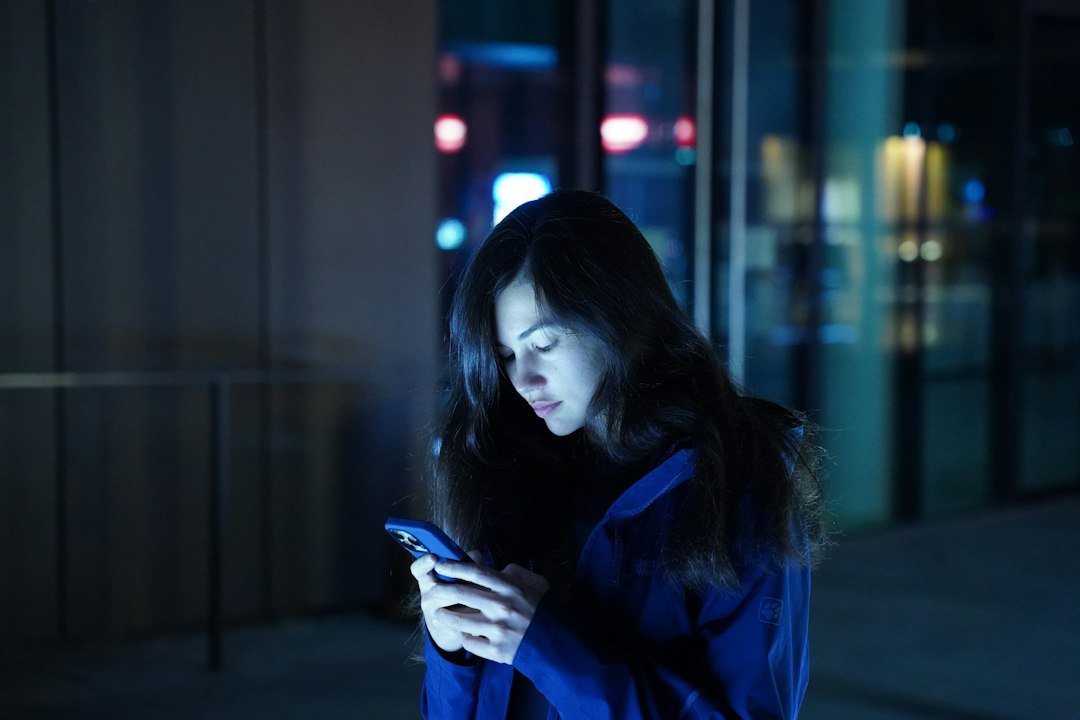
- Someone keeps contacting you after you said to stop, or on new accounts after you block them
- They seem to know where you are, who you are with or what you said in private
- You get login alerts or password resets you did not ask for
- Your phone has unfamiliar apps, drains its battery fast or runs hot when idle (these can have other causes, but they are worth checking)
- Your private photos or details show up online
- Friends, coworkers or family get strange messages about you
- You feel afraid, anxious or watched when you use your phone or accounts
You do not need proof of physical danger to take it seriously. If the behavior is repeated and it scares you, it counts.
Who Cyberstalks, and Why?
Most stalking victims know the person doing it. It is often a current or former partner, but it can be an acquaintance, a coworker or a stranger. Reasons include control, obsession, anger after a breakup, revenge, or an online dispute that gets personal. Women are stalked more than twice as often as men, according to BJS: 1.8% of women and 0.8% of men in 2019.
Cyberstalking vs Cyberbullying, Harassment and Doxxing
| Term | What it is |
|---|---|
| Cyberstalking | A repeated pattern of online or tech-based contact, monitoring or threats that causes fear |
| Cyberbullying | Repeated online cruelty meant to hurt or embarrass, most often aimed at young people |
| Online harassment | Unwanted, abusive messages or behavior. It may be a single event or a pattern |
| Doxxing | Publishing someone’s private details, often to harass them. Read our doxxing guide |
These often overlap. A cyberstalker may also dox you or harass you through other people.
Is Cyberstalking Illegal?
Yes. Stalking is a crime under federal law and in every state, though the definitions differ. The Office of Justice Programs notes that legal definitions vary from one jurisdiction to another.
- Federal law. 18 U.S.C. § 2261A covers stalking that uses the internet or other electronic communication as part of a course of conduct that causes fear of serious harm or substantial emotional distress.
- State laws. Every state has its own stalking or harassment law. For example, California has Penal Code § 646.9, and Texas has Penal Code § 42.072 (stalking) and § 42.07 (harassment). Check the current law in your state.
- Threats and free speech. In Counterman v. Colorado (2023), a stalking case, the Supreme Court held that prosecutors must show the person was at least reckless about how threatening their words were. Read the opinion.
Is stalking a felony? It depends on the state and the facts. In many states a first offense can be a misdemeanor, and stalking can be charged as a felony if there are threats, a weapon, a past conviction or a violation of a protective order. See our guide on whether doxxing is illegal for how related laws work.
What to Do If You Are Being Cyberstalked

- Check for danger. If you feel unsafe right now, call 911 and go to a public place or somewhere safe, such as a police station, a friend’s home or a shelter.
- Don’t engage. Advice differs on sending one clear written message telling the person to stop. The US Office on Women’s Health suggests it, then not replying after that. If you fear it could make things worse, don’t contact them at all and talk to an advocate first.
- Save proof. Take screenshots that show the username, date, time and web address. Keep voicemails and call logs, and write a simple log of each incident. Don’t delete messages or accounts yet, even upsetting ones.
- Block and report. Report the account to the platform or service the person is using. Most ban stalking and harassment.
- Make a police report. Bring your proof, ask for a report number, and ask about a protective order. You can also report cybercrime to the FBI’s Internet Crime Complaint Center.
- Secure your accounts. From a device the person can’t access, change your passwords, turn on two-factor authentication and sign out of unknown devices. A password manager makes this easier. Remove the person from any shared accounts, such as streaming, cloud or family plans.
- Check your phone and location settings. Look for apps you don’t recognize and for apps with location, camera or microphone access. Turn off location sharing you didn’t choose, and keep your software updated. Be careful: if the stalker is dangerous, removing spyware or tracking could alert them. Talk to an advocate or the police first if you are unsure.
- Cut off the information they use. Stalkers often find addresses and phone numbers on people-search sites such as Spokeo. Our guide on removing your information from the internet shows how.
- Get support. Talk to someone you trust and let them know what is happening. The National Domestic Violence Hotline (1-800-799-7233) offers support for stalking by a partner or ex, and SPARC has resources and safety information for victims.
Avoid: replying angrily, deleting evidence, posting about the person publicly, or trying to track or expose them yourself. These can put you at risk and can hurt your case.
How to Lower Your Risk
- Use private accounts and check who can see your posts, tags and location
- Turn off location sharing and check-ins you don’t need
- Don’t share passwords, and review who still has access to old shared accounts
- Use a screen lock and don’t leave your phone unlocked around people you don’t trust
- Check for unknown Bluetooth trackers and unknown devices on your accounts
- Search your own name now and then and remove listings you find
Cyberstalking FAQ
What is cyberstalking in simple terms?
It is using technology to repeatedly harass, watch or threaten someone so that they feel afraid or unsafe.
Is cyberstalking a crime?
Yes. Stalking is illegal under federal law and in every state. Online stalking can be charged under stalking, harassment or threat laws.
How do I know if I’m being cyberstalked?
Look for repeated unwanted contact, someone who seems to know where you are or what you do, strange account activity, and a feeling of being watched. If it scares you and keeps happening, treat it seriously.
What is the difference between cyberstalking and cyberbullying?
Cyberbullying is repeated cruelty meant to hurt or embarrass, often among young people. Cyberstalking is a pattern of monitoring, contact or threats that causes fear and can involve tracking and spying.
Can I report cyberstalking to the FBI?
You can file a complaint with the FBI’s Internet Crime Complaint Center, and you should also report it to local police, who can help with protective orders.
How do I check for stalkerware?
Look for apps you don’t recognize, unusual battery drain or heat, and apps with location, camera or microphone access you didn’t approve. A factory reset can remove many problems, but if the person might react badly, get advice from an advocate first.
Bottom Line
Cyberstalking is repeated online or tech-based harassment, monitoring or threats that make you afraid. It is a crime, and you don’t have to wait for physical danger to act. Save proof, report it, secure your accounts and reach out for support. If you’re worried about what a stalker can find about you, start with our guide to removing your information from the internet.
Sources
- US Bureau of Justice Statistics, Stalking Victimization, 2019 (February 2022)
- Office of Justice Programs, Stalking overview
- Office on Women’s Health, Stalking
- Stalking Prevention, Awareness, and Resource Center (SPARC), stalkingawareness.org
- 18 U.S. Code § 2261A; Counterman v. Colorado, 600 U.S. 66 (2023)



[…] you are worried about doxxing or cyberstalking, removing your address from people-search sites is one of the most useful steps. Neither service is […]
[…] list your address, phone number and relatives for anyone who pays. For people at risk of doxxing or cyberstalking, that […]
[…] out of search results. If you are worried about stalking or harassment in particular, our guide on what cyberstalking is and what to do about it explains how exposed personal data can make things […]
[…] victims are stalked with technology as without it. If that is your situation, read our guides to what cyberstalking is and what doxxing […]