Last updated: November 3, 2026.
Anyone can walk into a shared data hall. Not everyone should be able to reach your servers once they are in it.
A data center security cage is a locked, monitored enclosure around your equipment inside a shared facility. Its main benefits are restricted access, isolation from other tenants, tamper deterrence, a clear answer for auditors and full visibility for monitoring, all without blocking the airflow your hardware needs. This guide explains what each benefit means, where a cage falls short, and what to check before you rent one.
Key takeaways
- A cage is a fenced area holding several racks. A cabinet is one lockable rack. A private suite is a walled room.
- Wire mesh keeps airflow and sightlines open while blocking hands and tools.
- Compliance rules such as HIPAA and PCI DSS ask for strong access control. They do not require a cage.
- A cage is one layer. Weak building security weakens it.
What Is a Cage in a Data Center?
A data center cage is a fenced, lockable enclosure, usually made of wire mesh or steel panels, around a company’s servers and racks inside a larger shared facility. Access is limited to people on an approved list.
Cages sit between two other common options. According to a colocation guide from Inflect, a cabinet is a single lockable rack in a shared hall, a cage is a fenced perimeter that holds several racks with its own locking gate, and a private suite is a fully walled room with a solid door.
| Option | What it is | Privacy | Typical user |
|---|---|---|---|
| Cabinet | One lockable rack | Shared data hall | Small businesses, edge sites, disaster recovery |
| Cage | Fenced area with several racks | Dedicated perimeter inside the hall | Growing companies, compliance-driven workloads |
| Private suite | Walled room | Fully private | Large enterprises, finance, government |
The Benefits of Data Center Security Cages
1. Restricted, Trackable Access
A cage adds a second locked barrier on top of the building’s own security. Only approved people can enter, and each entry is usually logged by keycard, PIN or biometric scan. If something goes wrong, you have a record of who was inside and when.
2. Isolation From Other Tenants
In a colocation facility, your servers share a room with other companies’ equipment. A cage physically separates your gear, so another tenant’s staff cannot get hands-on access to it.
3. Deterrence Against Theft and Tampering
A locked cage is a visible barrier that discourages tampering and slows down anyone who tries. Even a short delay gives monitoring systems and on-site staff time to respond.
4. Airflow and Visibility Without Giving Up Security
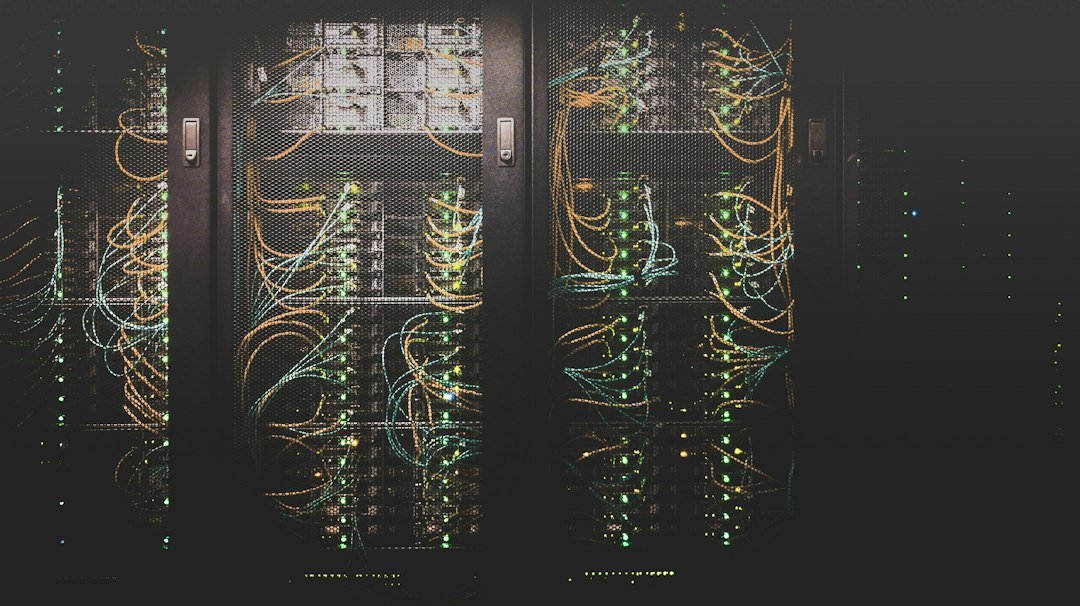
A good cage is not a solid box. Cage fencing is made of mesh so cooling air, fire suppression and light pass through while staff can see inside. Solid walls trap heat and hide problems.
5. Support for Compliance Evidence
HIPAA, PCI DSS, SOC 2 and ISO 27001 all expect documented physical access controls around sensitive systems. A cage gives auditors a clear physical answer to who can reach this hardware.
It is worth being honest here, though. A cage does not make you compliant by itself, and the frameworks do not require one. A colocation provider’s article argues that HIPAA and PCI DSS call for strong access control, not a cage, and that locked half or full racks with two-factor access and cameras can meet the same goal. That source sells alternatives to cages, so weigh it accordingly, but the point stands. Read the specific requirement before you pay for more space than you need. You can find the official frameworks at HHS (HIPAA), the PCI Security Standards Council and ISO 27001.
6. Room to Grow
Custom cages can be built to an exact footprint and expanded later as equipment grows. That matters in colocation, because moving live servers is disruptive. The Inflect guide also notes that cages often support higher power per rack than a standard cabinet, which helps with dense workloads.
What Data Center Cage Fencing Is Made Of
- Woven or welded wire mesh: the most common choice because it keeps airflow and visibility while blocking hands and tools. The size of the openings matters: smaller openings stop someone reaching a tool or cable through the fence.
- Solid steel panels: used less often, where full visual privacy matters more than airflow.
A well-built cage also runs from the real floor to the real ceiling, not just to a drop ceiling. A gap above a suspended ceiling tile is an easy way around an otherwise solid cage.
A Cage Is One Layer, Not the Whole Security Model
A cage does not replace the facility’s own security. A serious data center layers perimeter fencing, building access control, security staff, CCTV and then the cage closest to your hardware. If building-level security is weak, a strong cage closes only part of the gap.
This is why data centers are so heavily guarded. Someone standing at a rack can bypass network security entirely, so physical access can be as dangerous as a remote breach. The same idea explains why attackers who get inside a building are so hard to stop. Our guide to types of hackers covers the insider and social engineering threats that cages are meant to slow down.
What to Check Before Choosing a Cage
- Mesh openings small enough to block hand or tool access.
- Full floor-to-ceiling coverage, with no gap above a drop ceiling.
- Individual access logging, not one shared key for the whole cage.
- Secure cable pass-throughs, because cabling gaps are an overlooked entry point.
- Compatibility with the facility’s CCTV and access control, so the cage adds a layer instead of a blind spot.
- The provider’s own audit reports, such as a SOC 2 report, if your compliance team needs them.
Frequently Asked Questions
What is a cage in a data center?
A locked, fenced enclosure, typically wire mesh, around a company’s servers inside a shared data center. It limits physical access to approved personnel.
What is the difference between a cage and a cabinet?
A cabinet is a single lockable rack in a shared hall. A cage is a fenced area that holds multiple racks and has its own locking gate.
Do I need a cage for HIPAA or PCI DSS?
Not necessarily. These frameworks require strong physical access control. A cage is one way to show it, and locked racks with access logging and cameras can be another. Check the exact requirement with your compliance team.
Why are data centers so guarded?
They hold hardware behind huge amounts of sensitive data. Hands-on access to a server can bypass network defenses, so facilities combine building security, staff, cameras and cages.
What are the main types of data center cages?
Terms vary by provider, but common types are private cages for one company, shared cages split between tenants, custom-built cages sized to a footprint, and suite-style enclosures with solid walls.
The Bottom Line
A data center cage does one job well. It puts a locked, visible, monitored barrier between your hardware and everyone else in the building without blocking the airflow that keeps it running. It is not a substitute for the facility’s own security, and it is not always required for compliance, but paired with good building security it closes one of the more overlooked gaps in data protection: simply walking up to the machine.
Sources
- Inflect: Cabinet, cage or private suite
- Expedient: Is a cage really the safest physical environment for your data?
This article is general information, not compliance or legal advice.